Kraftwerk - the first three albums
Before the German band Kraftwerk crafted their trademark electropop style -- and the robotic image that goes with it -- on their 1974 album Autobahn, there were three earlier albums recorded under the Kraftwerk name. But at that point, Kraftwerk were a duo, consisting of founding members Florian Schneider and Ralf Hütter. Those albums were stylistically more Krautrock than electronic. Those first three Kraftwerk albums have long been unavailable commercially, and none of the material from them was ever performed by the band after the '70's. Of course, many bootlegs and unofficial pressings have circulated over the years. Hütter and Schneider have dismissed the three early albums as works from a development phase that no longer fits with the band's "robot pop" style and image. Still, they may be of interest to devotees -- and at least one of them is remarkably good.
First, let's start from the beginning. Before forming Kraftwerk, Hütter and Schneider were part of an earlier Krautrock quartet called Organisation (full name: "Organisation zur Verwirklichung gemeinsamer Musikkonzepte", which is German for "Organization for the Realization of Common Music Concepts"). Like the first three recordings those two men would make as Kraftwerk, the sole Organisation album Tone Float is highly experimental in nature. It's an instrumental progressive rock opus, with occasional odd voice sounds blended in. The twenty-minute title track takes up all of Side 1, beginning with a long stretch of percussion that builds up to a series of hypnotic sounds created by the two future Kraftwerkers, with Hütter playing organ and Schneider playing flute and electric violin. Although percussionist Basil Hammoudi does have his moments, particularly during the intense climax of "Rhythm Salad", Tone Float is best heard as an early example of the Kraftwerk founders at work. Schneider creates alien flute sounds on "Milk Rock", and "Noitasinagro" demonstrates a surreal blend of Hütter's organ and Schneider's electroviolin. There isn't much electronic music to be heard here, but the intro of "Rhythm Salad" does give a brief hint at Kraftwerk's later synth-driven sounds. "Silver Forest" sounds like part of an eerie movie soundtrack. Worth a spin.
The self-titled Kraftwerk debut album from 1970 was recorded by Hütter and Schneider with the help of two acoustic drummers: Klaus Dinger (who was soon to be co-founder of Neu!) and Andreas Hohmann (later of Ibliss). Hütter played organ and a Tubon synthesizer; Schneider played flute, violin, and electric percussion. The Kraftwerk album consists of four lengthy instrumental tracks, experimental in nature, very much in a Krautrock vein but inching toward the electronic dominance of Kraftwerk's future. The opening track "Ruckzuck" is occasionally danceable, and sometimes predicts new wave and electronic dance sounds that would come many years later. "Stratovarius" is a 12-minute prog odyssey on the order of King Crimson. The two tracks on the second side are the better ones, and sound even more futuristic. "Megaherz" sounds like soundtrack music for a pre-Star Wars sci-fi movie; you can almost see such a film playing in front of you when you hear it. The closing track, "Vom Himmel Hoch", is the one most predictive of the future Kraftwerk identity. It conveys ominous sounds resembling those of war planes, air raid sirens, and falling bombs, then shifts to what sounds like robots talking in an alien language before one last large explosion. The Kraftwerk vision was there; it just needed time to develop -- and for its time to come.
The second Kraftwerk album, Kraftwerk 2, came in 1972. On this one, Hütter and Schneider were credited with playing all of the instruments, of which there were many. As they did on the debut, the duo co-produced the album with Conny Plank, the noted "Phil Spector of Krautrock". Kraftwerk 2 continues with the duo's experimental instrumental German prog rock, but it takes an unexpected step back in the duo's progression toward their future sound. The 17-minute opening track "Klingklang" is the high point. Although it is not labeled as such, that track is much like a four-part opus, with a bell intro similar to that of Pink Floyd's "Time", even though it predates that song by a year. The second part of the track is dominated by repetitive but mostly serene piano; the last few minutes of the track take on a more edgy type of aura. The other tracks don't offer much to recommend. In retrospect, "Atem" sounds like three minutes of Darth Vader breathing. Three of the four tracks on Side 2 mostly consist of guitar-based noodling that goes nowhere; "Strom" is the only half-interesting one of those. "Harmonika" closes the album with a bit of simple but beautiful accordion distortion.
The third Kraftwerk album was the self-referential Ralf & Florian, which gave star billing and cover art recognition to the two musicians who again played every instrument, and also produced. (Conny Plank is credited as the engineer on this one). On this album, the duo moved much closer to their defining electronic sound, albeit without the sleek polish of Kraftwerk's later work. "Kristallo" and "Elektrisches Roulette" bear the most resemblance to the electropop that was to come. But the album just as often sounded like an example of "ambient" music -- a good five years before Brian Eno formally gave that name to that genre. The title of "Tanzmusik" translates to "dance music", but it actually sounds like slightly quirky Christmas music, with quasi-angelic voices audible toward the end. "Heimatklänge" creates a relaxing mood with serene piano and ambient wind instrument sounds. "Tongebirge" (aka "Mountain of Sound") evokes images of majestic mountain ranges. The 14-minute closing track, "Ananas Symphonie", begins with the sound of a robotic voice, seeming to signal the beginning of Kraftwerk as people know them. But the rest of the track takes on an ambient aura. Its soundscapes are largely synthesizer-driven, and tweaked by tape manipulation, taking the listener through a lovely, distant dream. Ralf & Florian still did not fit the soon-to-be-established Kraftwerk template, but it is certainly worthy of respect.

Organisation "Tone Float" (RCA Victor SF 8111) 1970
Track Listing:
1. Tone Float
2. Milk Rock
3. Silver Forest
4. Rhythm Salad
5. Noitasinagro
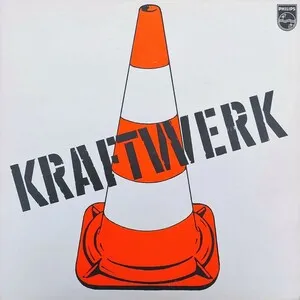
Kraftwerk "Kraftwerk" (Philips 6305 058) 1970
Track Listing:
1. Ruckzuck
2. Stratovarius
3. Megaherz
4. Vom Himmel Hoch
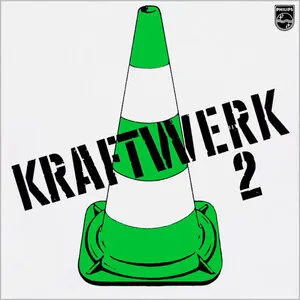
Kraftwerk "Kraftwerk 2" (Philips 6305 117) 1972
Track Listing:
1. Klingklang
2. Atem
3. Strom
4. Spule 4
5. Wellenlänge
6. Harmonika
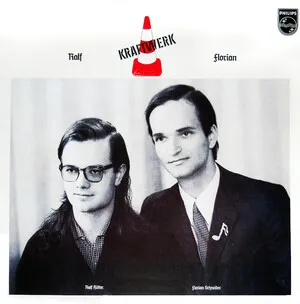
Kraftwerk "Ralf & Florian" (Philips 6305 197) 1973
Track Listing:
1. Elektrisches Roulette
2. Tongebirge
3. Kristallo
4. Heimatklänge
5. Tanzmusik
6. Ananas Symphonie
First, let's start from the beginning. Before forming Kraftwerk, Hütter and Schneider were part of an earlier Krautrock quartet called Organisation (full name: "Organisation zur Verwirklichung gemeinsamer Musikkonzepte", which is German for "Organization for the Realization of Common Music Concepts"). Like the first three recordings those two men would make as Kraftwerk, the sole Organisation album Tone Float is highly experimental in nature. It's an instrumental progressive rock opus, with occasional odd voice sounds blended in. The twenty-minute title track takes up all of Side 1, beginning with a long stretch of percussion that builds up to a series of hypnotic sounds created by the two future Kraftwerkers, with Hütter playing organ and Schneider playing flute and electric violin. Although percussionist Basil Hammoudi does have his moments, particularly during the intense climax of "Rhythm Salad", Tone Float is best heard as an early example of the Kraftwerk founders at work. Schneider creates alien flute sounds on "Milk Rock", and "Noitasinagro" demonstrates a surreal blend of Hütter's organ and Schneider's electroviolin. There isn't much electronic music to be heard here, but the intro of "Rhythm Salad" does give a brief hint at Kraftwerk's later synth-driven sounds. "Silver Forest" sounds like part of an eerie movie soundtrack. Worth a spin.
The self-titled Kraftwerk debut album from 1970 was recorded by Hütter and Schneider with the help of two acoustic drummers: Klaus Dinger (who was soon to be co-founder of Neu!) and Andreas Hohmann (later of Ibliss). Hütter played organ and a Tubon synthesizer; Schneider played flute, violin, and electric percussion. The Kraftwerk album consists of four lengthy instrumental tracks, experimental in nature, very much in a Krautrock vein but inching toward the electronic dominance of Kraftwerk's future. The opening track "Ruckzuck" is occasionally danceable, and sometimes predicts new wave and electronic dance sounds that would come many years later. "Stratovarius" is a 12-minute prog odyssey on the order of King Crimson. The two tracks on the second side are the better ones, and sound even more futuristic. "Megaherz" sounds like soundtrack music for a pre-Star Wars sci-fi movie; you can almost see such a film playing in front of you when you hear it. The closing track, "Vom Himmel Hoch", is the one most predictive of the future Kraftwerk identity. It conveys ominous sounds resembling those of war planes, air raid sirens, and falling bombs, then shifts to what sounds like robots talking in an alien language before one last large explosion. The Kraftwerk vision was there; it just needed time to develop -- and for its time to come.
The second Kraftwerk album, Kraftwerk 2, came in 1972. On this one, Hütter and Schneider were credited with playing all of the instruments, of which there were many. As they did on the debut, the duo co-produced the album with Conny Plank, the noted "Phil Spector of Krautrock". Kraftwerk 2 continues with the duo's experimental instrumental German prog rock, but it takes an unexpected step back in the duo's progression toward their future sound. The 17-minute opening track "Klingklang" is the high point. Although it is not labeled as such, that track is much like a four-part opus, with a bell intro similar to that of Pink Floyd's "Time", even though it predates that song by a year. The second part of the track is dominated by repetitive but mostly serene piano; the last few minutes of the track take on a more edgy type of aura. The other tracks don't offer much to recommend. In retrospect, "Atem" sounds like three minutes of Darth Vader breathing. Three of the four tracks on Side 2 mostly consist of guitar-based noodling that goes nowhere; "Strom" is the only half-interesting one of those. "Harmonika" closes the album with a bit of simple but beautiful accordion distortion.
The third Kraftwerk album was the self-referential Ralf & Florian, which gave star billing and cover art recognition to the two musicians who again played every instrument, and also produced. (Conny Plank is credited as the engineer on this one). On this album, the duo moved much closer to their defining electronic sound, albeit without the sleek polish of Kraftwerk's later work. "Kristallo" and "Elektrisches Roulette" bear the most resemblance to the electropop that was to come. But the album just as often sounded like an example of "ambient" music -- a good five years before Brian Eno formally gave that name to that genre. The title of "Tanzmusik" translates to "dance music", but it actually sounds like slightly quirky Christmas music, with quasi-angelic voices audible toward the end. "Heimatklänge" creates a relaxing mood with serene piano and ambient wind instrument sounds. "Tongebirge" (aka "Mountain of Sound") evokes images of majestic mountain ranges. The 14-minute closing track, "Ananas Symphonie", begins with the sound of a robotic voice, seeming to signal the beginning of Kraftwerk as people know them. But the rest of the track takes on an ambient aura. Its soundscapes are largely synthesizer-driven, and tweaked by tape manipulation, taking the listener through a lovely, distant dream. Ralf & Florian still did not fit the soon-to-be-established Kraftwerk template, but it is certainly worthy of respect.
Organisation "Tone Float" (RCA Victor SF 8111) 1970
Track Listing:
1. Tone Float
2. Milk Rock
3. Silver Forest
4. Rhythm Salad
5. Noitasinagro
Kraftwerk "Kraftwerk" (Philips 6305 058) 1970
Track Listing:
1. Ruckzuck
2. Stratovarius
3. Megaherz
4. Vom Himmel Hoch
Kraftwerk "Kraftwerk 2" (Philips 6305 117) 1972
Track Listing:
1. Klingklang
2. Atem
3. Strom
4. Spule 4
5. Wellenlänge
6. Harmonika
Kraftwerk "Ralf & Florian" (Philips 6305 197) 1973
Track Listing:
1. Elektrisches Roulette
2. Tongebirge
3. Kristallo
4. Heimatklänge
5. Tanzmusik
6. Ananas Symphonie

Comments